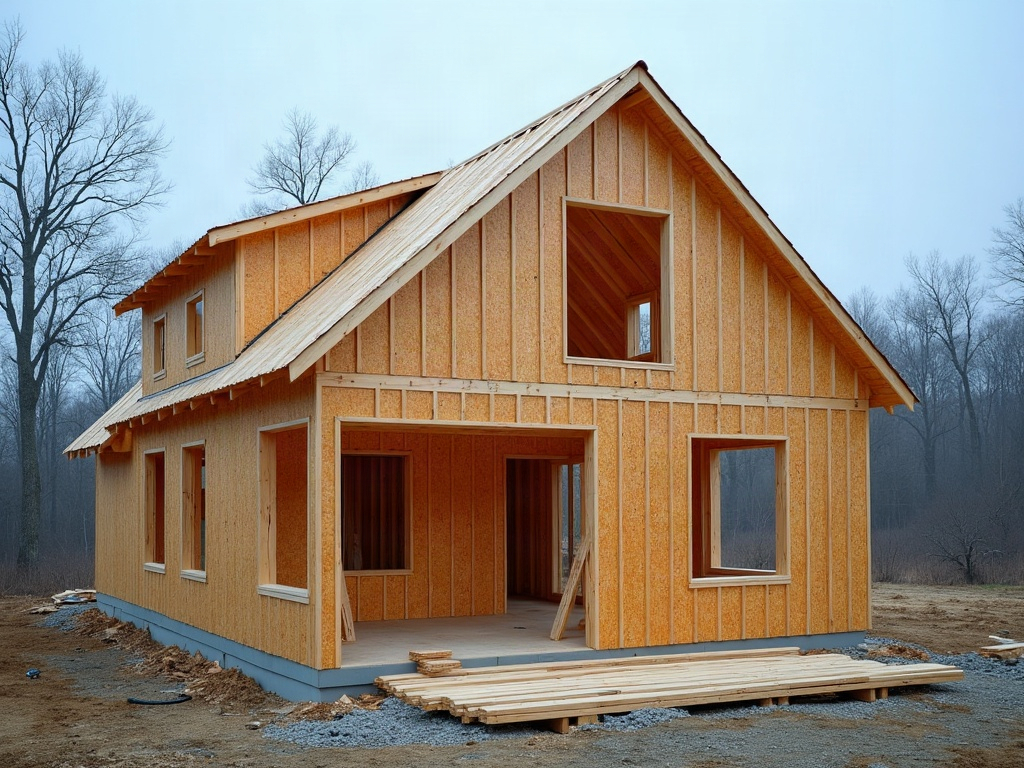
You have a project in mind. Maybe the kitchen has felt cramped for years. Maybe your parents are getting older and you want a backyard unit for them. Maybe the retail space you just leased near Old Town needs walls, wiring, and a bathroom before you can open the doors. Whatever it is, you are now facing a bigger question. Who do you trust to actually build it?
Clovis is a specific place to build. The summers run long and hot. The soil under most homes moves with the seasons. And the housing stock ranges from mid-century ranch homes to newer builds out past Shepherd and Herndon. A general contractor in Clovis who works here every week understands those things without you having to explain them. That is the real value. Below is a plain look at what that work involves and what to expect.
People sometimes picture a contractor as one person swinging a hammer. On most jobs, the role is closer to a project manager who also knows how to build. A general contractor pulls the permits, schedules the trades, orders materials, and keeps the whole thing moving in the right order.
Order matters more than most homeowners expect. Framing has to pass inspection before insulation goes in. Rough plumbing and electrical happen before drywall. If those steps get out of sequence, work gets torn out and redone. A good contractor holds that timeline in their head and on paper, so the plumber, the electrician, and the drywall crew all show up when the job is ready for them.
The contractor is also the single point of responsibility. If something is wrong, you call one number. You are not chasing five different subcontractors trying to figure out whose fault it is.
This is the part that separates local knowledge from a generic bid. A lot of Clovis and the wider Fresno area sits on expansive clay and adobe soils. When the ground is wet in winter, it swells. When it dries out through our long summers, it shrinks and cracks. That movement puts stress on foundations, slabs, and additions.
If a new room addition is tied to an old foundation without accounting for how the two will move, you can end up with cracked drywall, doors that stick, and gaps at the trim within a couple of years. Proper footing depth, moisture control around the perimeter, and the right connection details all help the structure ride out those seasonal shifts.
This is why a foundation plan that works fine on the coast may not be right here. A contractor who builds in the Valley plans for soil that never really sits still.
Every neighborhood brings its own kind of work. Here is what comes up most often.
Kitchen and bathroom remodels stay near the top of the list. In older homes, opening up a wall often means dealing with outdated wiring or plumbing that no longer meets code. That is normal, and it is easier to fix while the walls are already open.
Room additions and second stories give families more space without moving. These almost always trigger structural review and careful tie-ins to the existing house.
ADUs, or accessory dwelling units, have grown fast. Homeowners build them for rental income, for aging parents, or for adult kids getting started. California has loosened the rules on ADUs, which makes them more workable than they used to be, but they still need real design, utility connections, and permits.
Commercial tenant build-outs are a big part of the picture too. When a business leases a space, it usually arrives as a bare shell or a leftover layout from the last tenant. Framing, restrooms, electrical, accessibility, and finishes all have to come together before an occupancy sign-off.
Structural work, additions, ADUs, and most commercial jobs need permits. That is not red tape for its own sake. Permits and inspections are how the work gets checked at each stage, and they protect you when you eventually sell.
An experienced contractor knows what the local building department expects, submits complete plans, and schedules inspections at the right points. That keeps the project from stalling. When someone skips permits to save time or money, it tends to catch up with the homeowner later, often during a sale when a buyer's inspector finds unpermitted work.
If you want to know more about the neighborhoods and areas we cover, Our Clovis Service Area page lays it out.
Start with the license. In California, a licensed contractor carries a state number you can verify. Ask for it. Confirm they carry both liability insurance and workers' compensation, so you are not exposed if someone is hurt on your property.
Ask to see recent local work. A contractor who has done additions and remodels in the Clovis and Fresno area can show you results and talk through how they handled the soil and the heat. Get the scope in writing. A clear contract lists the work, the materials, a payment schedule, and a timeline.
Be cautious of a bid that comes in far below the rest. It usually means something was left out, and the gap tends to show up later as a change order. Clear communication upfront saves money and stress down the road.
When you are ready to talk through a project, call Ben-Rick Construction at (559) 257-2397. A short conversation is often enough to tell you what is realistic and what it should cost.
It depends on size and complexity, but a straightforward room addition often runs a few months from permit to finish. Design, city approval, and material lead times all factor in, so the earliest steps are worth starting before you want the work done.
Yes. Accessory dwelling units require design, permits, and utility connections. California rules have made ADUs easier to build than in the past, but they still go through the local building department for review and inspection.
Much of the Fresno and Clovis area sits on expansive clay that swells when wet and shrinks when dry. That movement can stress foundations and additions, so proper footing and moisture details are planned into the work from the start.
Free assessment and a written estimate from a local crew.
Call (559) 257-2397