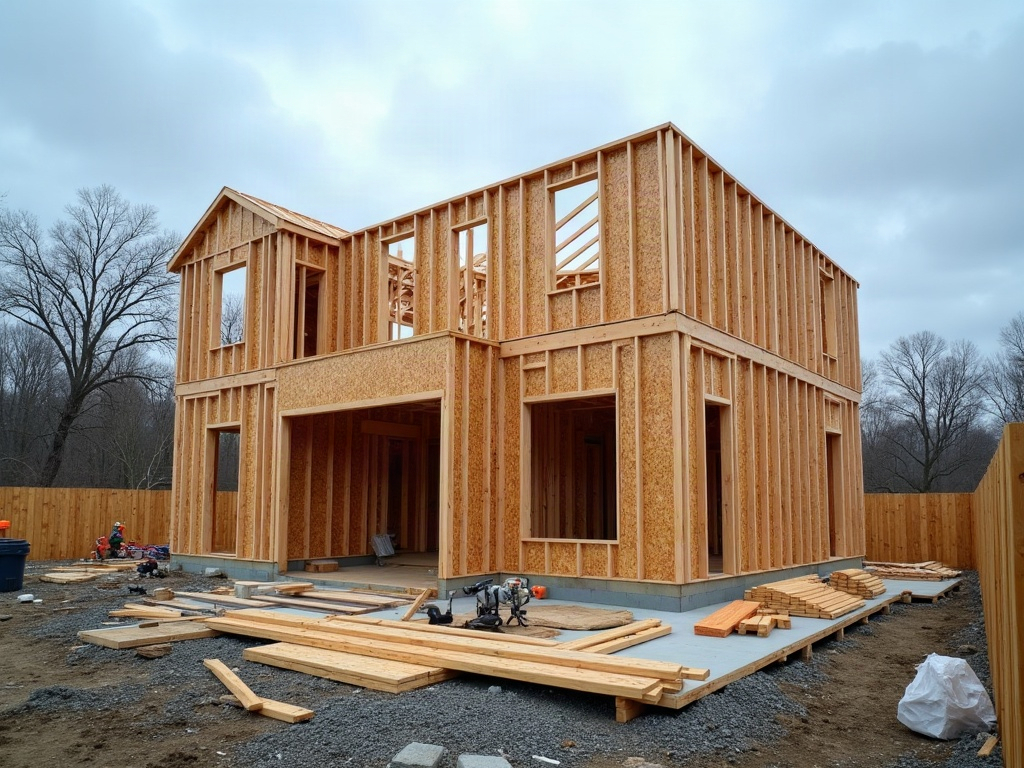
If you own a home in Madera, you already know the summers run long and dry. The ground shifts under many houses here, and older homes carry quirks that show up the moment you start opening walls. Maybe you have outgrown your space and want a room addition. Maybe your parents are moving closer and you need an ADU in the backyard. Or maybe a rental kitchen has finally reached the end of its life. Whatever the reason, the person who ties the whole project together is your general contractor.
This post walks through what a good general contractor actually does in Madera, how local conditions shape the work, and how to plan a project that finishes on time and holds up for years.
People sometimes think of a contractor as the person swinging the hammer. The real job is broader. A General Contractor in Madera manages the schedule, pulls permits through the City or County, hires and coordinates the trades, orders materials, and keeps the project inside the budget you agreed on.
On a typical addition, that means lining up the framer, the electrician, the plumber, the HVAC crew, and the finish carpenter so nobody is standing around waiting. It also means catching problems early. When a wall comes open and the wiring is older than expected, the contractor decides what gets fixed now and what can wait, then explains the cost before the work happens. Clear communication is most of the job. Good crews are the rest.
Much of the Madera area sits on expansive clay and adobe soils. These soils swell when they get wet in winter and shrink when they dry out in the long summer. That movement is why you see cracks in slabs, sticking doors, and hairline splits in drywall around older homes.
A contractor who works here plans for that. Foundations for additions get designed to match how the soil behaves, and the connection between the new work and the existing house gets attention so the two move together instead of pulling apart. Drainage matters too. Keeping water away from the foundation reduces how much the clay expands and contracts.
Heat drives the other half of the planning. Attic ventilation, insulation levels, and window choices all affect whether a new room stays comfortable in July. Framing and concrete pours often get scheduled for the cooler part of the day during peak summer. These are small decisions that add up to a house that lives better and costs less to cool.
Madera has a mix of housing. There are mid-century homes with solid bones and dated layouts, newer tract homes that need more room as families grow, and character homes near the older parts of town. Each calls for a slightly different approach.
ADUs have become one of the most common requests. California has made these units easier to permit, and homeowners use them for aging parents, adult kids, or rental income. A well planned ADU needs its own utility connections, a smart layout in a small footprint, and a design that fits the main house and the lot.
Room additions are about matching. The roofline, the siding, the ceiling height, and the flooring all need to blend so the new space does not look tacked on. Kitchen and bath remodels are where older homes surprise you most, since plumbing and electrical often need updating once the finishes come off. A contractor who has opened a lot of walls in this area knows what tends to hide behind them.
Not every project is a house. Madera has active commercial space, and business owners often need a suite turned into something usable before they open. Tenant build-outs come with their own rhythm. There are landlord requirements, accessibility codes, and a lease clock that does not stop.
The work usually involves new partitions, lighting, HVAC adjustments, restrooms that meet code, and finishes that fit the brand. Because the timeline is tight and inspections have to line up, the value of a general contractor who keeps the trades moving is even more obvious. A delay of two weeks can mean a month of lost rent.
Start with a real license and current insurance. Ask to see recent work in the area and talk with past clients if you can. A contractor who serves Our Madera Service Area should be able to describe local soil, permitting, and inspection details without hesitating.
Look at how the estimate is written. A vague one page number is a warning sign. A clear scope that lists materials, allowances, and a payment schedule tells you the contractor has thought the job through. Ask how they handle changes once work begins, since almost every project has at least one. And pay attention to how they communicate during the bid. That is a preview of how the whole project will go.
If you are weighing a project in Madera, call Ben-Rick Construction at (559) 257-2397. We are glad to walk your space, talk through options, and give you an honest read on scope and timeline.
Most additions run three to five months from permit to final inspection, depending on size and complexity. Design and permitting add time before construction starts, so plan for that early. Summer heat can affect scheduling of concrete and framing, which a local contractor works around.
Yes. ADUs require permits and must meet current building codes for structure, utilities, and safety. State law has streamlined the process, but you still need approved plans and inspections. A general contractor can manage the submittals and keep the project moving through review.
Much of the Madera area sits on expansive clay and adobe soil that swells and shrinks with moisture. That movement can crack slabs and drywall over time. Good foundation design and drainage reduce the effect, which is why local experience matters when you build or add on.
Free assessment and a written estimate from a local crew.
Call (559) 257-2397