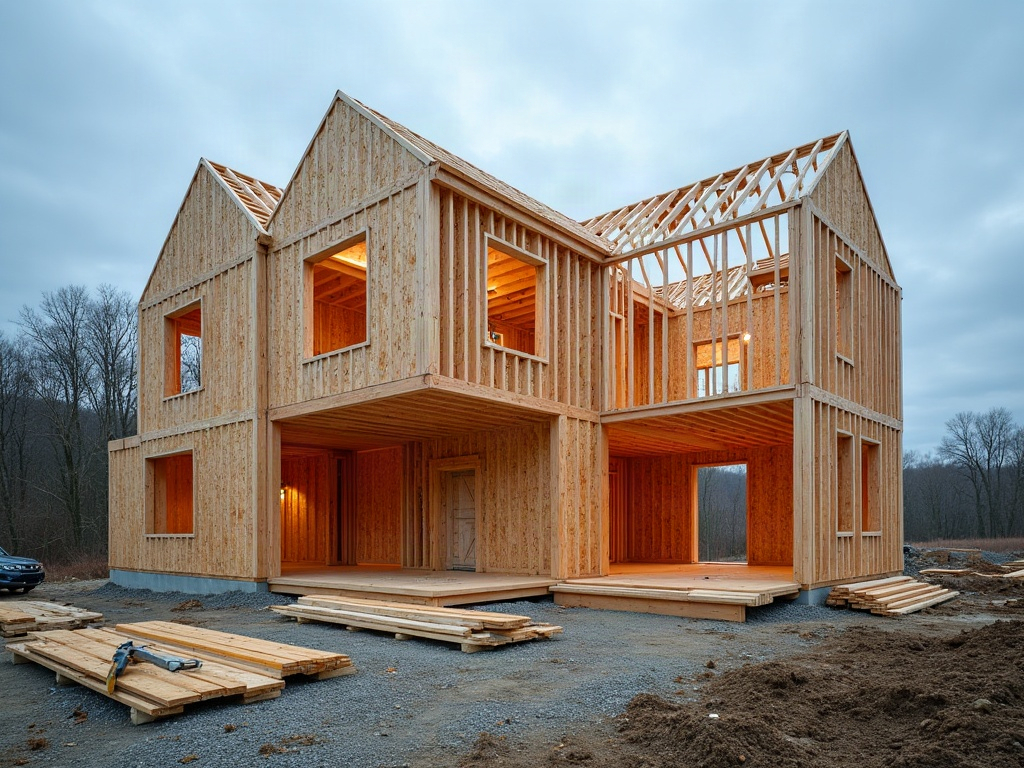
If you own a home in Sanger, you have probably driven past a half-finished addition and wondered what it really takes to get a project done right. Maybe your kitchen feels cramped. Maybe you have an older house near the edge of town with a cracked slab. Maybe you want to add a second unit for family or rental income. Whatever the reason, the first real decision is who manages the work. A good general contractor keeps the schedule, the budget, and the inspections moving so you do not have to chase subcontractors on your own.
Sanger sits in the heart of the Central Valley, east of Fresno, where summers run long and dry and the ground underneath many homes is heavy clay or adobe soil. Those two facts shape nearly every remodel and build in town. Below is what we want local owners to understand before they sign anything.
People sometimes think a contractor is just the person swinging a hammer. On a real project, the job is coordination. A General Contractor in Sanger pulls the permits, lines up the framers, electricians, plumbers, and HVAC crews, orders materials on time, and makes sure each inspection passes before the next phase starts. When something unexpected shows up behind a wall, the contractor is the one who reworks the plan and keeps the owner informed.
That matters more than it sounds. A kitchen remodel might involve five or six trades. If nobody owns the timeline, you end up with cabinets sitting in the garage for a month while you wait on a plumber. A single point of responsibility is the whole reason to hire a general contractor instead of managing piecemeal.
The clay and adobe soils around Sanger expand when they get wet and shrink back when they dry out. Over years, that movement shows up as hairline cracks in slabs, sticking doors, and uneven floors. We see it often in additions where the new footing was not matched to the existing foundation. A contractor who knows the area will plan footing depth and drainage with that soil in mind, and will not promise a quick fix for a problem that is really about ground movement.
Heat is the other factor. Framing and concrete work get scheduled around the hottest stretches of summer when they can. Material choices matter too. Insulation, window selection, and attic ventilation all affect how your remodeled space holds up when it is over 100 degrees for days at a time. Those details are easy to skip on a low bid and expensive to ignore later.
Sanger and the nearby Fresno neighborhoods have a lot of mid-century homes and some older Tower District style houses close by. These properties have real character, and they also have older wiring, original plumbing, and framing that does not always match today's code. When you open up a wall in a house like this, surprises are normal. A steady contractor builds a little room in the plan for that instead of acting shocked when it happens.
ADUs have become one of the most common requests we get. California rules have made it easier to add a second unit, and families here use them for aging parents, adult kids, or rental income. A well-built accessory dwelling needs its own utility connections, proper setbacks, and a layout that actually lives well in a small footprint. Additions follow similar logic. Tying new square footage into an existing roofline and foundation takes planning so the finished home looks like it was always one piece.
If you want to confirm we cover your part of town, you can check Our Sanger Service Area for details.
It is not only homeowners who need a contractor. Sanger has growing commercial space, and new tenants often take a bare or outdated unit and need it fitted for their business. A build-out might mean new partition walls, a restroom that meets accessibility rules, updated electrical for equipment, and finishes that match the brand. These projects live and die on the schedule because every week before opening is a week without revenue. We treat commercial timelines seriously and keep the inspection sequence tight.
Start by checking that the contractor is licensed and insured. Ask to see recent local work and talk with those owners if you can. A good sign is a contractor who walks your property, asks about the soil and the age of the home, and gives you a written scope instead of a number scribbled on the back of an estimate. Be cautious with any bid that comes in far below the others. In most cases that gap gets made up later through change orders or corners cut.
Clear communication is the thing you will feel every day of the project. You want someone who answers questions, explains why a step is needed, and tells you early when something changes. If you would like to talk through a project, call us at (559) 257-2397 and we can set a time to look at the site.
Every honest contractor will tell you that budget and timeline depend on scope. A straightforward bathroom refresh moves fast. A full addition with new foundation work takes longer and goes through more inspections. Build in a contingency for the unexpected, especially in older homes. The goal is a plan that is realistic from the start, so you are not surprised halfway through.
Most structural, electrical, plumbing, and ADU work requires permits through the local building department. A general contractor handles the application and schedules the required inspections so the project stays compliant and inspections pass in order.
Expansive clay and adobe soils can require deeper footings, added drainage, or foundation detailing to limit future movement. These steps add some cost up front, but they help prevent cracks and uneven floors down the road.
Yes. We manage residential remodels, additions, and ADUs along with commercial tenant build-outs. Each type has its own code requirements and schedule, and a general contractor coordinates the trades and inspections for both.
Free assessment and a written estimate from a local crew.
Call (559) 257-2397